
How Often Should You Get Skin Booster Injections?
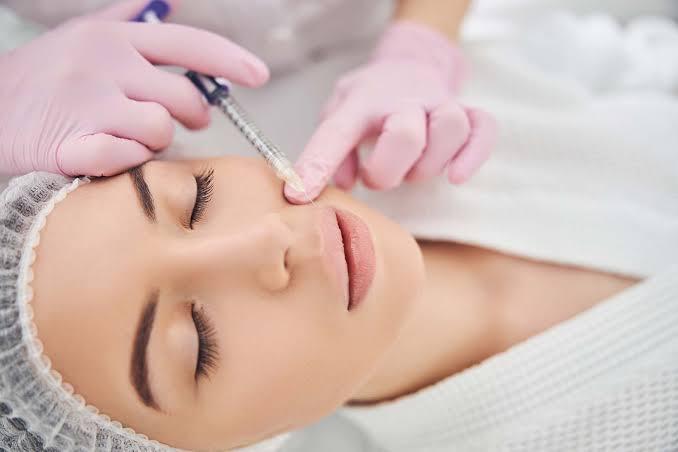
Understanding the right frequency for Skin Booster Injections is essential for achieving optimal skin hydration, glow, and long-term rejuvenation without over-treating the skin. Many people assume that one session is enough for lasting results, while others think more frequent treatments will speed up improvements, but the reality lies somewhere in between and depends on individual skin needs and goals.
What Are Skin Booster Injections:
Skin booster injections are minimally invasive aesthetic treatments designed to deeply hydrate the skin by delivering hyaluronic acid or regenerative ingredients directly into the dermis. Unlike traditional fillers, they do not add volume but instead improve skin quality, elasticity, and overall hydration from within.
Key features include:
- Deep hydration at the dermal level
- Improvement in skin texture and smoothness
- Gradual enhancement of natural glow
- Reduction in fine lines caused by dehydration
- Suitable for face, neck, and hands
These treatments are widely used in aesthetic medicine because they provide natural-looking results without altering facial structure.
Typical Treatment Schedule for Skin Boosters:
The frequency of treatments depends on skin condition, age, lifestyle, and the specific formulation used. In most cases, dermatologists recommend an initial treatment phase followed by maintenance sessions to sustain results.
General guidelines include:
- Initial phase: 2 to 3 sessions spaced 2 to 4 weeks apart
- Maintenance phase: every 4 to 6 months
- Preventive care: 1 to 2 sessions per year for younger skin
- Intensive hydration: more frequent sessions for very dry or damaged skin
- Long-term results: consistent maintenance schedule is essential
This structured approach ensures that hydration levels build gradually and remain stable over time rather than fading quickly.
Factors That Affect Treatment Frequency:
There is no universal schedule for everyone, as multiple factors influence how often you should receive skin boosters. Clinics offering Skin Booster Injections typically personalize treatment plans based on a detailed skin assessment.
Important influencing factors:
- Age and natural collagen production levels
- Skin type (dry, oily, combination, sensitive)
- Degree of sun damage or environmental exposure
- Lifestyle habits such as smoking or hydration levels
- Existing skincare routine and product use
Additional considerations:
- Younger individuals may need fewer sessions
- Mature skin may require more frequent maintenance initially
- Harsh climates can increase dehydration needs
- Medical history and skin sensitivity also play a role
Understanding these factors helps create a realistic and effective treatment schedule.
Signs You May Need Another Session:
Rather than strictly following a calendar-based approach, many professionals recommend paying attention to how your skin responds over time. When hydration levels begin to decrease, it may be a sign that another session is needed.
Common signs include:
- Skin feels dry or tight again
- Loss of natural glow and radiance
- Fine lines becoming more visible
- Makeup not sitting smoothly on skin
- Increased dullness or rough texture
What to do when these signs appear:
- Schedule a follow-up consultation
- Avoid over-treating too frequently
- Combine with a strong skincare routine
- Increase hydration and sun protection
- Discuss maintenance adjustments with your practitioner
These indicators help ensure treatments are timed based on skin needs rather than fixed intervals alone.
Maintenance Phase After Initial Treatment:
After completing the initial sessions, most patients move into a maintenance phase where treatments are spaced further apart. This phase is crucial for preserving results and ensuring long-term skin health.
Maintenance routine typically includes:
- One session every 4 to 6 months
- Adjustments based on seasonal changes
- Occasional booster sessions for special events
- Combination with topical skincare support
- Regular skin assessments with a professional
Benefits of maintenance care:
- Prolonged hydration and skin smoothness
- Slower progression of fine lines
- Consistent glow throughout the year
- Improved skin resilience over time
- Reduced need for intensive treatments later
This phase ensures that the results achieved from initial Skin Booster Injections remain stable and effective.
Who May Need More Frequent Treatments:
Some individuals naturally require more frequent sessions due to lifestyle, environmental exposure, or skin condition. In such cases, treatment plans are adjusted to maintain hydration and skin quality consistently.
People who may need shorter intervals:
- Individuals with very dry or dehydrated skin
- Those exposed to harsh weather or pollution
- Smokers or individuals with poor hydration habits
- People with early signs of aging
- Patients recovering from skin damage or procedures
Recommended approach for these groups:
- Start with standard initial sessions
- Monitor skin response closely
- Adjust maintenance to every 3 to 4 months if needed
- Combine with intensive skincare routine
- Ensure regular professional evaluation
Personalization is key, as over-treatment should always be avoided to maintain skin balance.
Final Thoughts
The ideal frequency of skin booster treatments is not fixed and should always be tailored to individual skin needs, lifestyle, and goals. While Skin Booster Injections typically follow an initial treatment phase followed by maintenance every few months, the best results come from a personalized approach guided by professional assessment. When scheduled correctly and supported with proper skincare, they provide long-lasting hydration, improved texture, and a naturally radiant complexion without overloading the skin.

 English
 Arabic
 French
 Spanish
 Portuguese
 Deutsch
 Turkish
 Dutch
Dutch
 Russian
 Romaian
 Portuguese (Brazil)
 Greek
Greek