
Why Choose an Industrial Concealed Socket for Modern Factory Power Needs
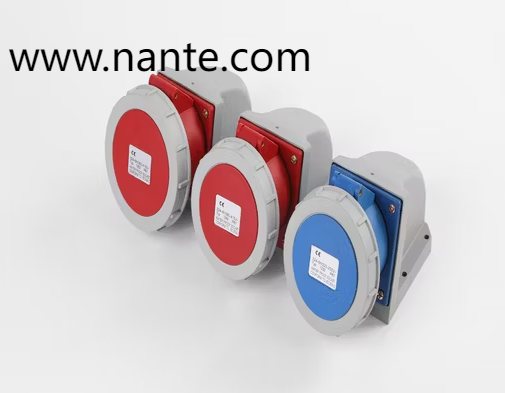
In bustling production sites where space is at a premium and safety cannot be compromised, engineers are turning to concealed power solutions. The Industrial concealed socket emerges as a compact alternative that blends into machinery frames and workstations while keeping connections protected. Its discreet profile helps preserve clean lines and reduces accidental contact during fast paced shifts.
One clear distinction from home outlets lies in design intent. Residential receptacles serve low demand devices and sit behind furniture in benign settings. By contrast, factory grade enclosures must handle repeated plugs, mechanical stress, and exposure to dust and moisture. Concealed units often include reinforced shells and secure clamping to hold heavy duty conductors and prevent loosening under vibration.
Protection features matter when operations run continuously. A purpose built unit limits ingress of debris and allows technicians to isolate circuits quickly without disturbing surrounding equipment. That capability matters during emergency drills and routine checks because it reduces the number of touch points maintenance staff face while they carry out diagnostic tasks. Simple ergonomics in these products minimizes human error during hurried interventions.
Space planning is another area where differences appear. Industrial installations value compact modularity so distribution points can be placed close to loads. That reduces cable length and lowers clutter on shop floors. When power hubs are tucked into corners of benches or recessed within control panels, pathways for carts and personnel remain clear which supports smoother material movement and lowers trip hazards.
Durability also sets the two worlds apart. Materials used in workshop grade boxes resist impact and retain sealing effectiveness after repeated entries. Replaceable sealing rings and captive fasteners let crews maintain protection without replacing entire assemblies. This service friendly approach reduces waste and shortens downtime when a seal or gasket needs attention during planned maintenance windows.
Integration with protective devices is another distinction. Industrial enclosures can be fitted with local circuit breakers and surge mitigation modules so faults are contained near their origin. That arrangement simplifies troubleshooting and preserves operation of adjacent systems while technicians address a single problem area. Clear internal labeling supports safe isolation during lockout procedures and helps auditors verify compliance with workplace rules.
From a connectivity perspective, specialized sockets accept heavy duty plugs and multiple poles, allowing machines to draw stable power for motors and heaters. In many automated cells where robots and conveyors work together, having robust connectors that withstand frequent cycles reduces the chance of intermittent faults that interrupt production runs.
Installation practice also differs. Factory electricians follow rigorous routing and strain relief methods so terminations remain secure through thermal cycles. Accessible layout inside an enclosure enables inspections without disassembling surrounding structures. That saves labor and preserves finishes on adjacent panels that would otherwise require touch up after invasive work.
Adoption of smart maintenance tools complements these physical advantages. Remote sensing modules and logging add visibility to local distribution points so staff can track temperature trends and current balance. That data informs preventive action and helps teams prioritize interventions before visible damage emerges. Such capabilities turn a simple power hub into a monitored asset that supports overall reliability.
For purchasers, selecting a family of enclosures that supports modular inserts and spare components makes upgrades smoother. When a site can swap in a different socket insert or add a monitoring card without changing mounting patterns the long term cost of change falls. This flexibility suits facilities that evolve from manual setups to higher levels of automation.
If you are evaluating concealed power options and need a reference for product lines, mounting choices and accessory modules visit www.nante.com. The site provides technical notes and configuration guides that help planners match product choices to on site conditions and maintenance strategies. Reviewing these resources before procurement helps teams specify enclosures that fit operational goals while keeping installation and service paths straightforward.

 Arabic
 French
 Spanish
 Portuguese
 Deutsch
 Turkish
 Dutch
Dutch
 Italiano
 Russian
 Romaian
 Portuguese (Brazil)
 Greek
Greek